What “arborist” means in a state with no license
Missouri has no state license for tree work — no exam, no roster, no board. What exists instead is voluntary certification, and the Missouri Department of Conservation's own hiring guidance points the same direction this page does: the ISA Certified Arborist credential, insurance you can see on paper, and work written to ANSI A300, the national tree-care standard. None of that is legally required to run a saw in Marion County. All of it separates the pros worth hiring from the rest.
The same MDC guidance names the red flags, and they hold up in Hannibal yards: anyone advertising topping as a service, and anyone climbing a healthy tree on spurs, is announcing they'll trade the tree's future for today's convenience. Topped trees answer with weakly attached water sprouts and rot at every cut — the exact opposite of the “safer” tree the pitch promised.
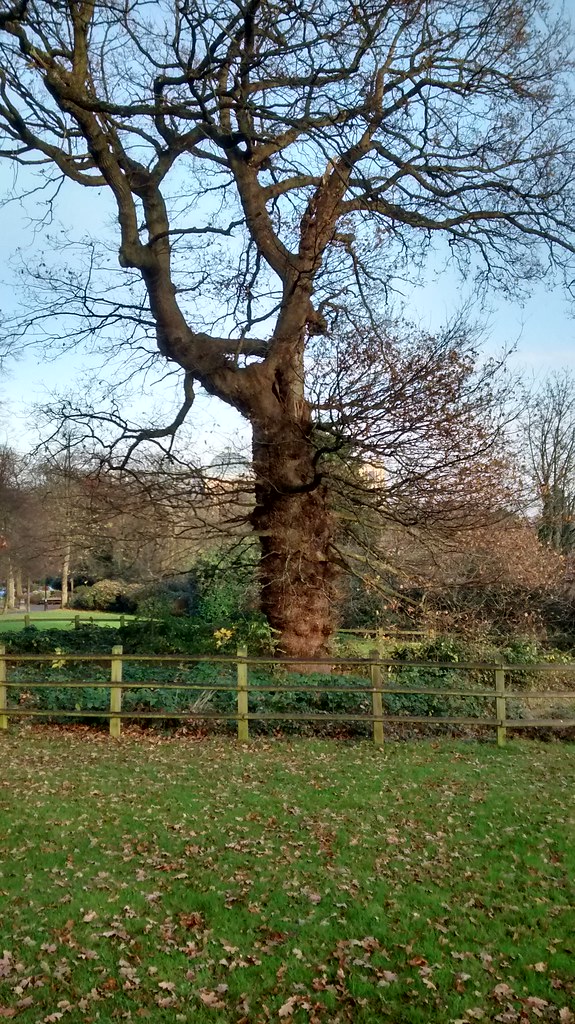
When the judgment matters most
Plenty of tree work is honest labor any competent crew handles. Arborist-grade judgment earns its fee in the harder cases this county keeps producing: deciding whether a lightning-struck burr oak on a Palmyra farmstead is savable; assessing a veteran shade tree a buyer's inspector frowned at, in town or out in the West Ely woodlots; cabling a split leader instead of losing half the crown; timing oak pruning around oak wilt, which is loose in Missouri and travels to fresh spring cuts. Treatment questions have a legal edge too — injecting or spraying a tree for hire, including the EAB treatments that can save a high-value ash, is licensed pesticide work under the Missouri Department of Agriculture, a different credential from anything a saw crew carries. Describe the tree and the worry, and the quote comes back from someone equipped for that class of question — starting with structural pruning done to standard in Marion County rather than the shortcut version.